Reporting by The Information on September 13–14, 2026 identified Anthropic as the unnamed customer behind a previously disclosed six‑year, $13.7 billion contract to lease GPU services from RUM Group (the company formerly known as Rumble). The rum group compute deal has drawn attention because RUM operates platforms popular with conservative audiences and counts early investors such as Peter Thiel among its backers. The transaction has renewed scrutiny of commercial ties between AI labs and politically connected infrastructure providers and raised fresh questions about governance, project timelines and reputational risk for an AI firm preparing for a public offering.
The Information reported that Anthropic signed a six‑year agreement to buy GPU services from RUM Group’s Maysville, Georgia data centre project and that the deal grants Anthropic options to buy tens of millions of RUM shares at a nominal price tied to how much compute it purchases. RUM Group’s August securities filing had disclosed a large unnamed contract and subsequent reporting by multiple outlets linked Anthropic as the counterparty. RUM’s Northern Data acquisition, which added thousands of GPUs and an under‑development Georgia site, is the facility referenced in the contract.
RUM’s SEC filings disclose the existence of a major long‑term purchase agreement but did not name the buyer at the time of filing. The Information’s account, which cited people familiar with the matter, describes the structure as a multi‑tranche purchase tied to capacity at the Georgia site and potential additional sites. RUM Group said it intended to finance construction and GPU purchases through additional capital, and reporting notes that the Georgia facility’s available grid power and construction timelines remain material practical constraints.
Peter Thiel’s connection and the public reaction
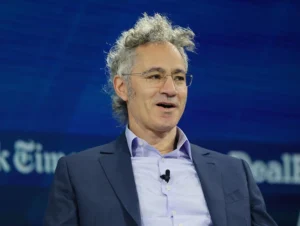
Peter Thiel is a known early investor in Rumble, and that history has prompted commentary tying his name to the deal’s political symbolism. Reporting from outlets that examined Thiel’s recent public appearances and past lecture series — including coverage in The New Republic and The Guardian — documented that Thiel has delivered talks on apocalyptic themes and the so‑called “Antichrist” subject matter in prior years. Those earlier reports are factual about Thiel’s prior lectures, but they do not establish that Thiel himself orchestrated the Anthropic‑RUM commercial deal; public filings and the reporting attribute the customer relationship to Anthropic, not to individual investors.
Technology and business context in simple terms
Large AI models require massive GPU capacity to train and to run inference at scale. Small or midsize neocloud operators, by acquiring GPU inventory and building data centres, can sell that capacity to model labs. The practical risk in such deals is twofold: operational (can the data centre be built and powered in time?) and reputational (does partnering with a politically connected provider create regulatory, security or public‑relations exposure?). For Anthropic, locking long‑term capacity helps secure model throughput and may reduce near‑term costs, but it ties future operations to RUM’s ability to deliver.
Why this matters and what is at stake
For Anthropic, the deal is material to its infrastructure plans and investor story as it moves toward a public listing; for RUM Group it is an anchor customer that validates its pivot into AI cloud services. For policymakers and corporate customers, the deal raises questions about supply‑chain resilience, the ability to govern where sensitive workloads run, and whether political associations with platform owners will complicate procurement. The matter is not purely technical: it touches on export controls, government contracting risk, and public perception ahead of regulatory scrutiny.
Limits, unanswered questions and open issues
Key uncertainties remain public and should guide further reporting. The Information’s article cites unnamed sources and The Information is a paid outlet; RUM’s SEC filing confirms a large contract but did not originally name Anthropic. Independent verification of the full contract text, the schedule for facility readiness, and the financing plan for the Georgia site is not publicly available. Importantly, while press accounts link early Rumble investors such as Peter Thiel to the company’s history, there is no public evidence in filings that Thiel negotiated or contracted on Anthropic’s behalf.
Observers should watch for formal confirmations in SEC filings, statements from Anthropic and RUM Group, and third‑party reporting that publishes contract excerpts or corroborating documents. Regulators and prospective customers may also request assurances about where workloads will run, what security controls will be applied, and what contingencies exist if the facility timeline slips.
Sources
- The Information: Anthropic Strikes $13.7 Billion Compute Deal With Trump‑Linked Rum Group
- RUM Group SEC filing (August 2026 disclosure)
- The New Republic: How the Tech World Turned Evil (coverage of Peter Thiel’s lectures)